
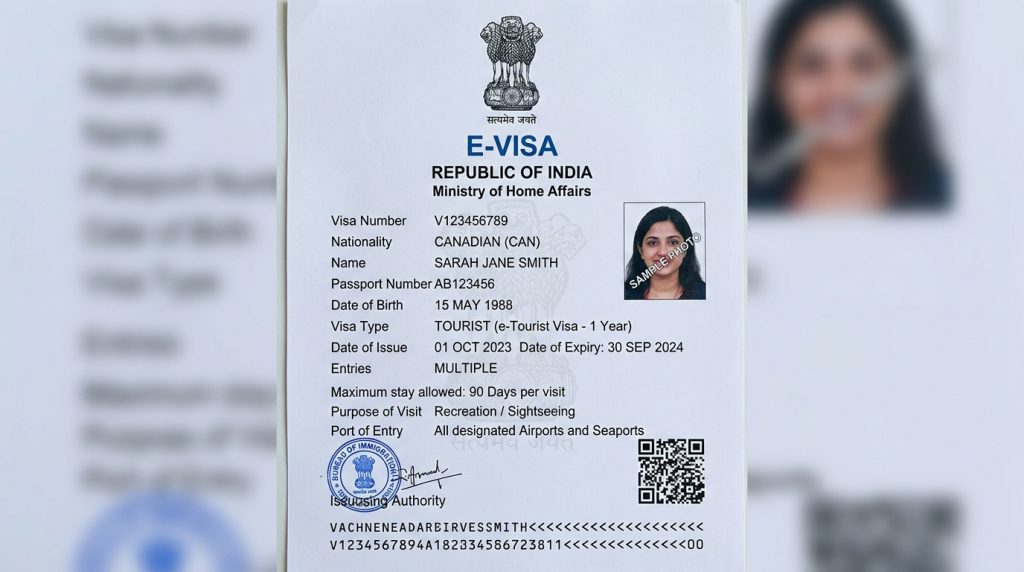
Planning a trip to India requires careful attention to administrative detail. Whether you are finalizing your digital visa application or preparing for your arrival, understanding the specific information required by the Indian government is essential to ensure your travel plans proceed without disruption. Two of the most common questions travelers face concern the mandatory “reference name” field and the implications of past criminal history on visa eligibility.
Understanding the Reference Name Requirement
Every applicant for an Indian electronic visa must provide a point of contact within India. This is not merely a formality; it is a security measure used by the Bureau of Immigration to verify where a traveler will be staying and who they might be connecting with during their visit.
A REFERENCE NAME IN INDIAN VISA can be a friend, a relative, or even a professional contact such as an event organizer or business partner. If you do not have personal acquaintances in the country, you are typically required to provide the contact details of the hotel, resort, or accommodation provider where you have confirmed a reservation. In such cases, you should enter the name of the hotel manager or the official contact person at your place of stay. Ensuring you have the correct address and phone number for this reference is vital, as this information is cross-referenced by immigration officials.
Transparency Regarding Criminal Records
For travelers who have faced legal issues in the past, a common concern is whether a previous conviction will serve as an automatic bar to entry. The Indian visa application form includes explicit questions regarding arrests, prosecutions, and convictions. Honesty is the most important policy when answering these sections.
TRAVELLING INDIA WITH CRIMINAL RECORD is not strictly prohibited in all cases, but it does alter the processing of your application. When you disclose a criminal history, your application is typically flagged for a case-by-case review by consular officers. The nature, severity, and recency of the offense are significant factors in this assessment. Serious crimes involving violence, financial fraud, or national security threats are handled with extreme scrutiny and are more likely to result in a denial. Conversely, minor administrative offenses or very old, spent convictions may be viewed differently.
Best Practices for a Seamless Application
- Accuracy is Key: Always ensure that your reference details—including the full name, physical address, and contact number—are accurate and match your hotel booking or invitation letter.
- Be Transparent: If the application form asks about your legal history, provide clear and honest answers. Attempting to hide a record that is later discovered can lead to a permanent ban or immediate deportation upon arrival.
- Documentation: If you have a criminal record that has been cleared or is considered “spent,” keep relevant documentation handy. While you may not be able to upload it directly to the e-visa portal, having it ready for a potential follow-up interview or consular request is a proactive step.
- Start Early: Because applications involving disclosed criminal records or complex background reviews may take longer than the standard 72-hour window, apply at least three to four weeks before your intended departure date.
By approaching these requirements with complete transparency and providing accurate, verifiable contact information, you set the stage for a successful visa approval. While the administrative process is rigorous, thorough preparation ensures that you can focus on the incredible cultural and historical experiences waiting for you across the Indian subcontinent.
