
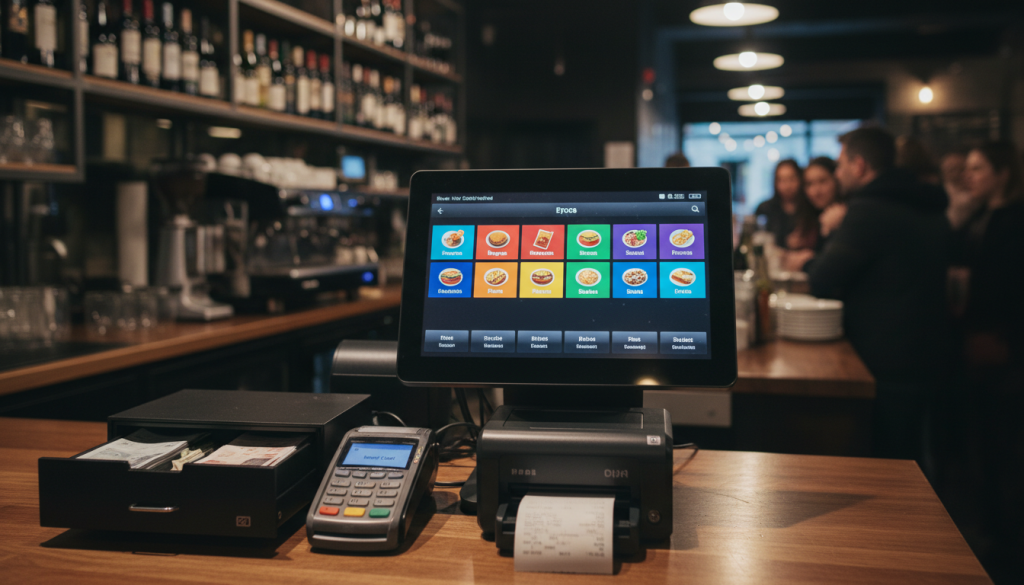
In the high-stakes world of the UK hospitality industry, the margin between a thriving establishment and one that is just getting by is often razor-thin. While the quality of the food and the ambiance of the dining room are paramount, the invisible engine that powers the entire operation is the technology behind the counter. Today, a restaurant epos system is no longer just a digital cash register; it is a comprehensive management hub that dictates the rhythm of the kitchen and the flow of the floor.
As dining habits evolve and operational costs rise, understanding how to leverage Electronic Point of Sale (EPOS) technology has become a core competency for successful restaurateurs.
The Evolution of Service Speed
The primary friction point in any restaurant is the “communication gap” between the front-of-house staff and the kitchen. Traditional paper ticketing systems are prone to human error, illegible handwriting, and physical loss. A professional restaurant epos system eliminates these bottlenecks through Kitchen Display Systems (KDS) and handheld ordering devices.
When a server takes an order at the table, it is instantly transmitted to the relevant prep station. This real-time synchronization reduces wait times by an average of 15-20%, directly impacting table turnover rates and, consequently, daily revenue. In an era where “fast-casual” expectations are bleeding into fine dining, this speed is a non-negotiable standard.
Data-Driven Menu Engineering
One of the most overlooked benefits of a sophisticated EPOS setup is its ability to act as a business consultant. Modern systems, like those offered by Cube POS, provide granular reporting that allows owners to perform “Menu Engineering.”
By analyzing which dishes are high-margin but low-popularity (plowhorses) versus those that are high-margin and high-popularity (stars), managers can make informed decisions about menu placement, pricing, and ingredient sourcing. Without the data provided by a robust restaurant epos system, these decisions are based on guesswork, which can be a costly mistake in a competitive market.
Inventory Integrity and Waste Reduction
Food waste is one of the largest “hidden” costs in hospitality. An integrated EPOS system tracks inventory levels in real-time. Every time a steak is sold, the system automatically deducts one unit from the digital pantry.
This level of oversight helps in several ways:
- Preventing “Sold Out” Frustration: Staff are alerted when items are low, allowing them to “86” a dish before a customer tries to order it.
- Identifying Shrinkage: Large discrepancies between stock-on-hand and recorded sales can highlight issues with portion control or internal theft.
- Automated Ordering: Some advanced systems can suggest purchase orders based on historical sales trends, ensuring you aren’t over-ordering perishable goods during slow mid-week shifts.
Enhancing the Guest Experience
Ultimately, the goal of hospitality is to make the guest feel cared for. Technology should facilitate this, not hinder it. Modern EPOS systems support a variety of features that directly improve the diner’s journey. From split-bill functionality—which remains a common headache for groups—to integrated loyalty programs that recognize a “regular” the moment they provide a phone number or scan an app, the system works to remove “transactional friction.”
Furthermore, with the rise of contactless payments and mobile wallets, having a system that is hardware-agnostic and secure ensures that the final interaction—the payment—is as smooth as the first greeting.
Conclusion: Future-Proofing Your Business
The hospitality landscape will continue to change, influenced by everything from labor shortages to shifting consumer diets. However, the need for efficiency, data, and seamless service remains constant. Investing in a high-quality restaurant epos system is not just an equipment upgrade; it is a strategic investment in the longevity and resilience of your brand.
For those looking to scale or simply reclaim their time from administrative chaos, the right technology partner is the most valuable member of the team.
